Advanced Rhinoplasty
Expert Nose Reshaping Surgery by Qualified Aesthetic Surgeons

Natural-Looking Results

Advanced Techniques

Personalized Care

Expert Surgeons
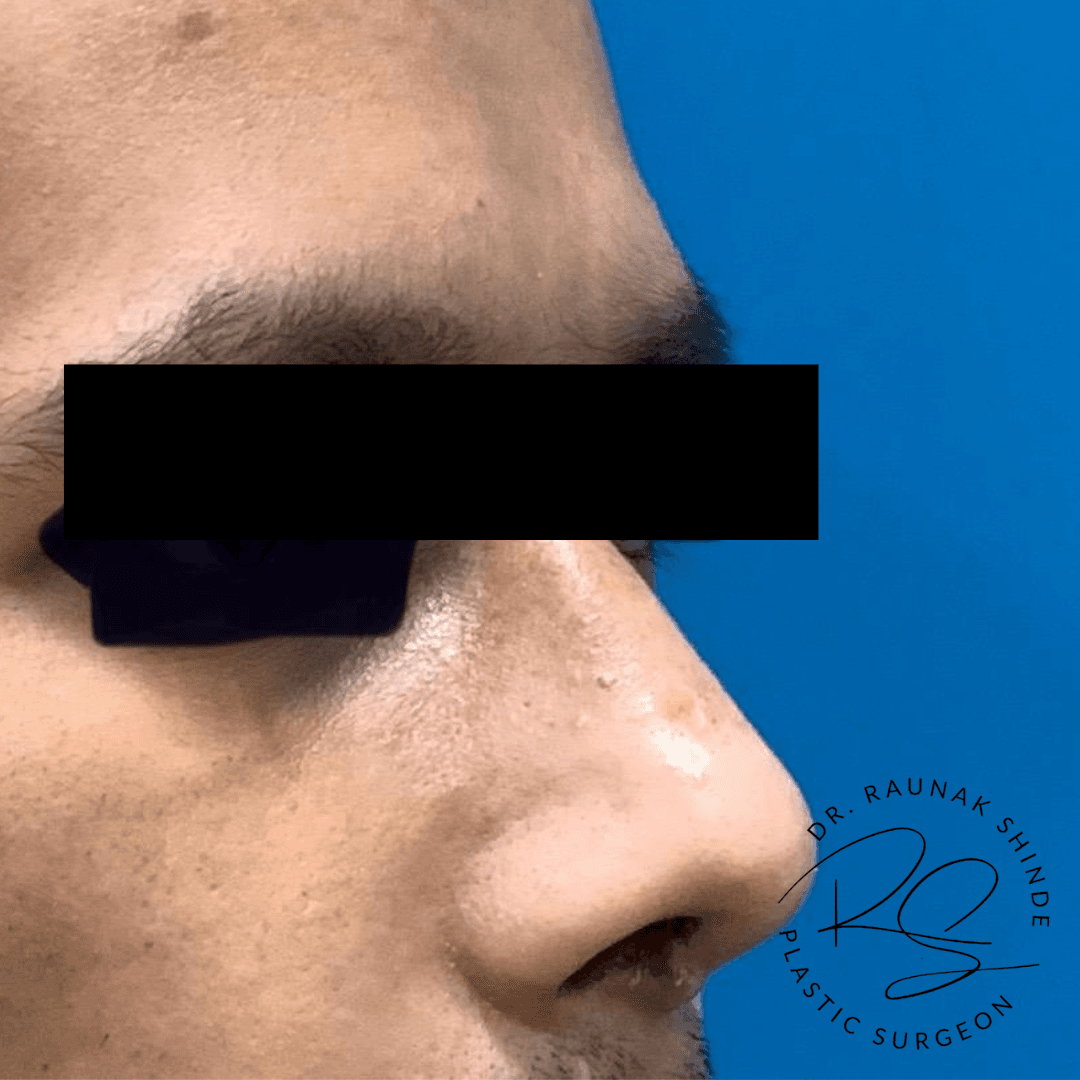
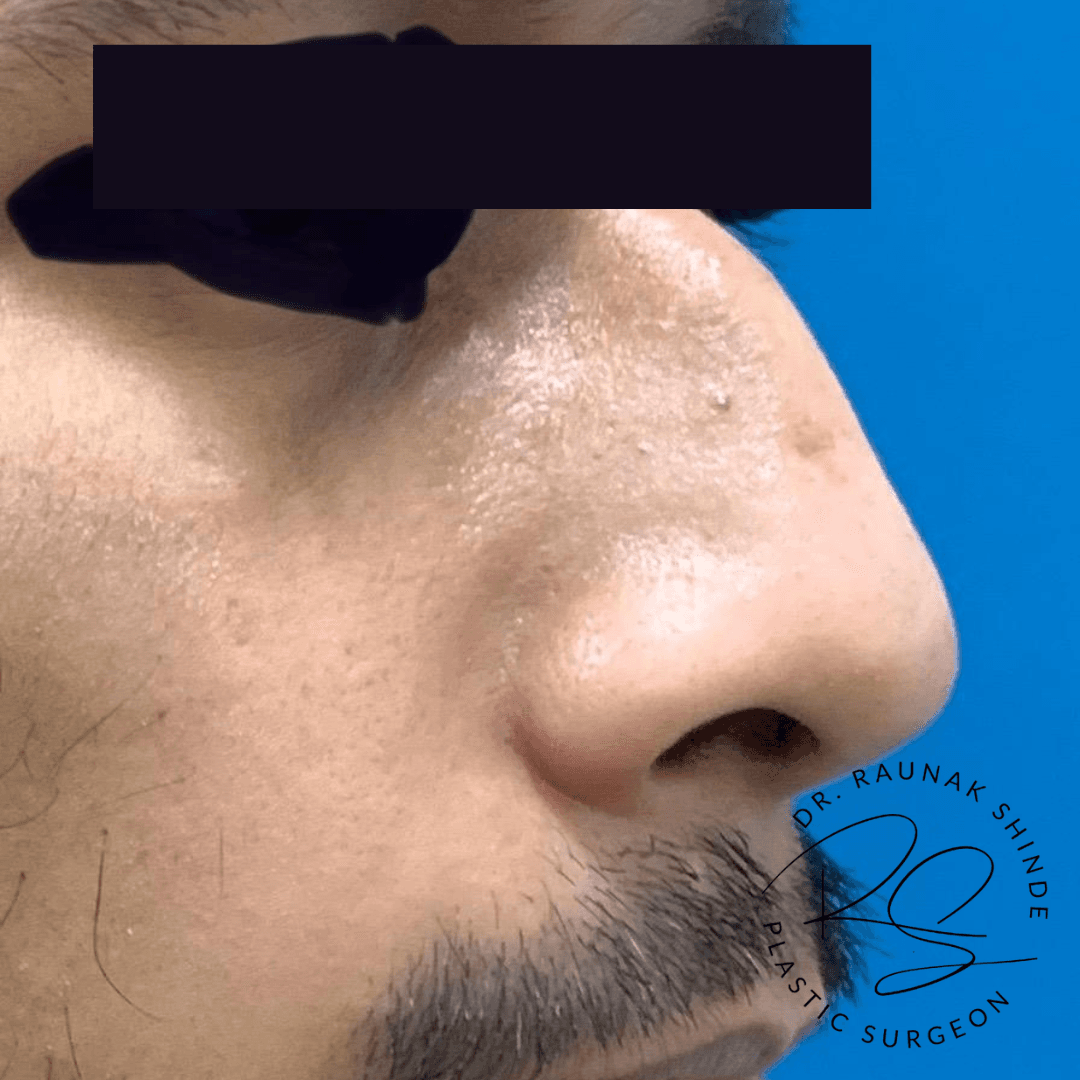
Comprehensive Rhinoplasty & Nose Reshaping Treatments
- At our clinic, we offer comprehensive rhinoplasty in Roop from primary procedures to complex revision surgeries. Rhinoplasty (Greek: Rhino = nose + Plasty = to shape), commonly known as a nose job, is a plastic surgery procedure for correcting the form, restoring breathing function, and aesthetically enhancing the nose. Our expert surgeons combine advanced technology with personalized care for safe, visible, and long-lasting results.
- Primary Rhinoplasty is performed to modify a disproportionately sized nose through reduction or augmentation, correct nasal hump or bridge depression, straighten a crooked or deviated nose, refine or reshape the nasal tip, and improve overall nasal contours. It can be either a cosmetic procedure to improve appearance, a medically necessary procedure to improve breathing, or a combination of both. This procedure delivers dramatic results for individuals seeking facial harmony.
- Revision and Secondary Rhinoplasty in Roop addresses less-than-desirable results from previous nose surgery. Secondary rhinoplasty is corrective reshaping by a different surgeon after a failed primary rhinoplasty, requiring exceptional analytical and surgical skill. Revision rhinoplasty involves further changes by the same surgeon who performed the original operation. Sometimes a primary rhinoplasty doesn't produce the desired aesthetic or functional result, and structural support of the nose with patient's own cartilage becomes the most important aspect of revision procedures.
- Septorhinoplasty in Roop combines nose reshaping with septum straightening, improving both appearance and breathing function in one procedure. This is ideal for patients with deviated nasal septum, crooked nose, post-traumatic deviation, or nasal airway obstruction. Open and Closed Rhinoplasty techniques are available - open rhinoplasty provides excellent visibility through a small columellar incision for complex cases, while closed rhinoplasty uses entirely internal incisions with no external visible scars for localized corrections.
Common Indications for Rhinoplasty
Congenital Defects: Secondary cleft lip nose deformity, cleft nose deformity, Binder's Syndrome and other birth defects can be corrected through rhinoplasty. Traumatic Injuries: Post-trauma nasal deformities and disruption of normal nose structure making the nose asymmetrical due to accidents or injuries. Cosmetic Concerns: Hump correction, dorsal hump removal, length correction, decrease in height of nose, and overall facial harmony improvement when the shape and contours of the nose do not synchronize with the rest of your face. Functional & Structural Issues: Correction of deviated nasal septum with crooked or off-center dorsum, breathing problems due to structural issues, damaged valves causing breathing difficulties, and nasal airway obstruction.
Nasal Tip Reshaping in Roop addresses drooping, rotating, boxy, bulbous or bifid nasal tips for a refined, balanced appearance. Excessively flared or pinched nostrils can also be corrected. Cartilage Grafting in Rhinoplasty uses patient's own cartilage from septum, ear, or rib to produce successful rhinoplasty outcomes with cosmetically pleasing skeletal contour and durable skeletal support to maintain that contour over time.
Ideal Candidates for rhinoplasty are physically healthy, medically fit, psychologically stable individuals. Cosmetic rhinoplasty is usually suggested only after facial growth is completed - after 16-18 years of age. Patients should have realistic expectations about surgical outcomes and understand that actual results will be similar but not exactly the same as computer simulations. The nose is the central feature of the face, and a well-done procedure can bring about tremendous changes to overall facial features.
Key Details
Consultation & Pre-Operative Preparation
Before undergoing rhinoplasty, one or two detailed consultations are important so patients understand the benefits, risks, and possible realistic outcomes. During consultation, we assess your concerns and evaluate the realistic possibility of surgically improving them. Our qualified aesthetic surgeons advise on how much change can realistically be achieved so you can make an informed decision.
Routine blood tests, nasal sinus X-ray films or occasional CT scans are done to identify nasal septal deviation, nasal polyps or internal sinus problems. Various 3D software applications can sometimes be used to explain the operative plan and simulate postoperative results. A complete discussion on pre-existing medical conditions, medications, alcohol and tobacco use is necessary. Medications and supplements that cause blood thinning need to be stopped at least 5-7 days before surgery. Smoking must be stopped at least 2 weeks before surgery.
Surgical Procedure & Techniques
Rhinoplasty can be performed under either general anaesthesia or local anaesthesia with sedation. The procedure can be done through two approaches - Open Rhinoplasty and Closed Rhinoplasty. In Closed Rhinoplasty, the nose is approached via entirely internal incisions, leaving no external visible scars. Localized corrections such as hump reduction, augmentations of the bridge, and narrowing of the bony pyramid can be achieved through the closed approach.
In Open Rhinoplasty, a small visible external incision is made to connect internal incisions and enable access under direct vision to all areas of the nose. Comprehensive rhinoplasties where changes are planned in most areas of the nose are best done by the open approach. The external scar is barely visible even by the end of 3 weeks. A nasal plaster or splint is placed over your nose as protective cover, usually removed at stitch removal at 6-7 days. If work on nasal bones has been done, the splint may remain for 1-2 weeks more.
Recovery & Post-Operative Care
The new shape of the nose is clearly apparent after 2-3 weeks, but swelling may take several weeks to months to completely subside. In patients with thick and oily nasal skin, post-operative swelling may remain longer. Most patients can return to normal activities by 2 weeks. Patients with sedentary jobs may return to work after 2 weeks, while those with physical jobs may need 2-3 additional weeks. Sports, gym exercises or strenuous physical activities should be curtailed for at least 6 weeks.
Postoperatively, swelling, skin bruising around the eyes, postnasal drip and nasal stuffiness are common, varying with different individuals. Medications are prescribed to ease discomfort. Keep the head elevated when sleeping for the first week. Do not blow your nose or sneeze too hard in the first 3 weeks postoperatively. Smoking is inadvisable for at least 3 weeks as it can result in poor healing and prolonged swelling. Camouflage makeup is advised if traveling after the first week to cover any bruising. 7-10 days leave from work is advisable. After 4-6 weeks, you may gradually ease into your usual fitness routine with caution being exercised while undertaking contact sports activities to prevent injury to the operated nose.
Results & Follow-Up
Rhinoplasty results take time to appear, so patience is required as the nose settles down over weeks to months. A qualified aesthetic surgeon tries their best to make the nose look as natural as possible and harmonize with the rest of the facial features. Over the entire first year, your results and appearance will continue to improve. All rhinoplasty patients must be informed that minor corrections may sometimes be necessary after 6 months to 1 year.
Sometimes the result is not up to the patient's expectations. Regular follow-ups with your surgeon and trust are essential to monitoring progress. In many instances, a secondary procedure may be necessary to further improve your outcome. After a secondary operation, healing times could be longer. The surgical goal is to produce a nose that looks natural, functions properly, and is in balance with other facial features.
Frequently Asked Questions
1. Who is the right candidate for rhinoplasty?
2. What is the difference between open and closed rhinoplasty?
3. What is the recovery time and when will I see final results?
4. What are the risks and possible complications?
5. What can be corrected with rhinoplasty?
Source: Indian Association Of Aesthetic Plastic Surgeons