Advanced Otoplasty at Roop Clinic
Expert Ear Reshaping Surgery for Natural-Looking Results

Natural Results

Advanced Techniques

Minimal Scarring

Expert Surgeons
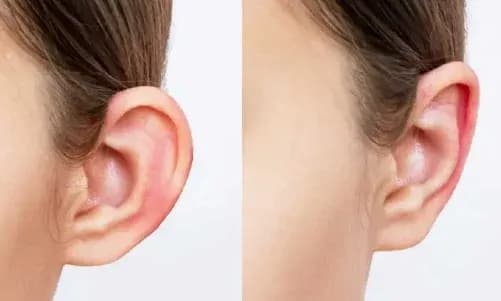
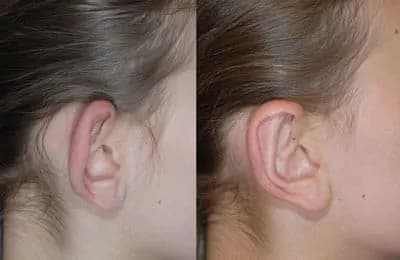
Comprehensive Otoplasty & Ear Correction Procedures
- At Roop Plastic Surgery Clinique, we offer comprehensive otoplasty procedures to correct prominent ears, ear deformities, and improve ear shape and position. Otoplasty, also known as ear pinning or ear reshaping surgery, is a cosmetic procedure designed to alter the size, shape, or position of the ears. Our expert surgeons combine advanced surgical techniques with personalized care for safe, natural-looking, and long-lasting results.
- Prominent Ear Correction addresses ears that stick out too far from the head, creating a more balanced and proportionate appearance. The procedure involves reshaping the cartilage to create or enhance the natural folds of the ear and positioning the ears closer to the head. This can be performed on one or both ears and is suitable for children (typically from age 5-6 onwards when ear development is nearly complete) and adults. Ear Size Reduction (Macrotia Correction) reduces overly large ears to achieve better facial harmony and proportion.
- Earlobe Repair corrects torn, stretched, or enlarged earlobes caused by heavy earrings, gauges, or trauma. The procedure restores natural earlobe shape and allows for re-piercing after healing. Congenital Ear Deformity Correction addresses conditions such as cup ear, lop ear, shell ear, and other birth-related ear shape abnormalities. Reconstructive Otoplasty rebuilds ears damaged by injury, burns, or previous unsuccessful surgery, restoring both function and appearance.
Procedure Details & Techniques
Surgical Approach: Otoplasty is typically performed under local anesthesia with sedation for adults and general anesthesia for children. The procedure takes 1-2 hours depending on complexity. Incisions are made behind the ear in the natural crease where the ear meets the head, making scars virtually invisible. The surgeon reshapes, repositions, or removes cartilage as needed to achieve the desired result. Internal sutures are used to maintain the new ear position and shape. Cartilage Scoring Technique: In some cases, the surgeon may use a technique called cartilage scoring where small cuts are made on the back of the ear cartilage to help it fold more naturally. This allows for precise reshaping without removing tissue.
Recovery Timeline: A bulky head dressing is typically worn for 1 week to protect the ears and maintain their new position. After the initial dressing is removed, a lighter headband is worn, especially during sleep, for 4-6 weeks to prevent accidental bending. Most patients can return to work or school within 1 week, though contact sports and activities that could impact the ears should be avoided for 6-8 weeks. Swelling and bruising usually subside within 2 weeks.
Expected Results: Results are visible immediately after surgery, though final results become apparent once swelling subsides (typically 6-8 weeks). The ears will appear more proportionate to the face and head, with improved symmetry and natural contours. Results are definitive, as cartilage maintains its new shape. Children who undergo otoplasty often experience improved self-confidence and reduced teasing. Adult patients report enhanced satisfaction with their appearance and increased comfort wearing hairstyles that expose the ears.
Key Details
Why Choose Roop Clinic for Otoplasty
Roop Plastic Surgery Clinique stands out as a premier destination for otoplasty and ear correction procedures. Our clinic features experienced plastic surgeons who specialize in facial plastic surgery and bring years of expertise to every procedure. We utilize advanced cartilage reshaping and suturing techniques that ensure both safety and natural-looking results with minimal visible scarring.
Our approach centers on personalized, result-focused treatments customized to each patient's unique ear anatomy and aesthetic goals. We understand the psychological impact of prominent or misshapen ears, particularly in children, and provide compassionate care throughout the journey.
Candidacy & Pre-Operative Assessment
Ideal candidates for otoplasty include children (from age 5-6 when ear development is nearly complete) and adults who are bothered by the appearance of their ears. Good candidates are in good overall health, have realistic expectations, and for children, are cooperative and able to follow post-operative instructions. During consultation, the surgeon will examine your ears, discuss your concerns and goals, review your medical history, and explain the surgical technique most appropriate for your case.
Pre-operative preparation includes avoiding aspirin and anti-inflammatory medications for 2 weeks before surgery as they can increase bleeding. Smokers should stop smoking at least 2 weeks before and after surgery to promote proper healing. For children, parents should prepare their child by explaining the procedure in age-appropriate terms and ensuring they understand the importance of protecting their ears after surgery. Photographs are taken before surgery for surgical planning and comparison with post-operative results.
Post-Operative Care & Long-Term Maintenance
Immediately after surgery, a bulky protective dressing is placed around the head and ears. This dressing must be kept clean and dry and is typically removed after 5-7 days. Pain is usually mild and can be controlled with prescribed medication. Some numbness, tingling, or itching during healing is normal. After the initial dressing is removed, a lighter headband or wrap should be worn, especially during sleep, for 4-6 weeks to protect the ears.
Stitches are usually dissolvable and do not require removal, though some cases may have sutures removed after 1 week. Avoid sleeping on your side for at least 2 weeks. Gentle hair washing can resume after 1 week, being careful around the ear area. Avoid contact sports, swimming, and activities that could impact the ears for 6-8 weeks. Most swelling and bruising resolve within 2-3 weeks. Final results are visible at 6-8 weeks when all swelling has subsided. Results are definitive, and the ears maintain their new position and shape throughout life.
Frequently Asked Questions
1. At what age can otoplasty be performed?
2. Will there be visible scars after otoplasty?
3. How long is the recovery period?
4. Are results definitive?
5. Is otoplasty painful?