Complete Hair Loss Treatment at Roop Clinique
Non-Surgical & Surgical Solutions for Hair Restoration by Expert Specialists

Natural Results

Advanced Therapies

Personalized Care

Expert Specialists
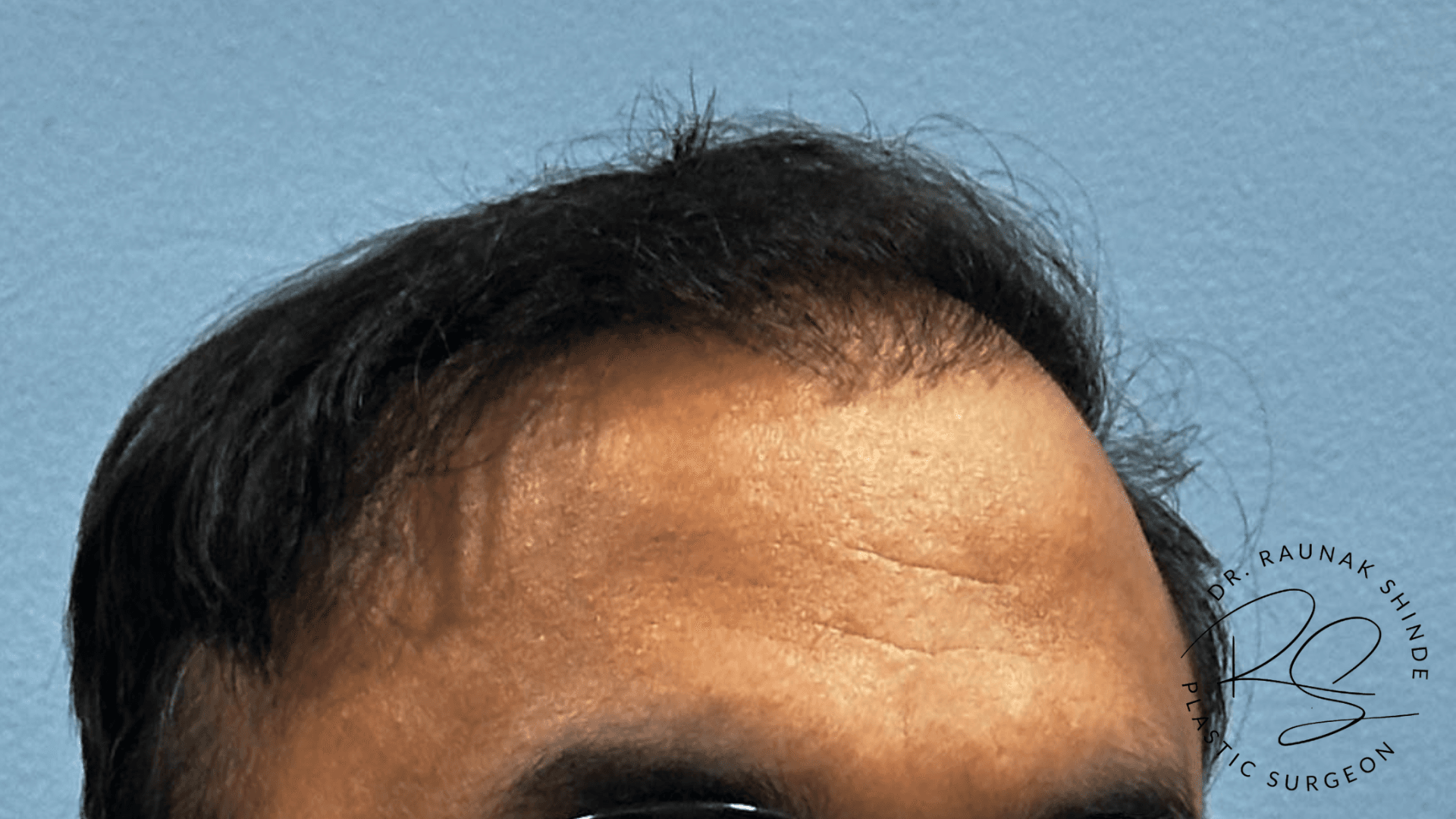
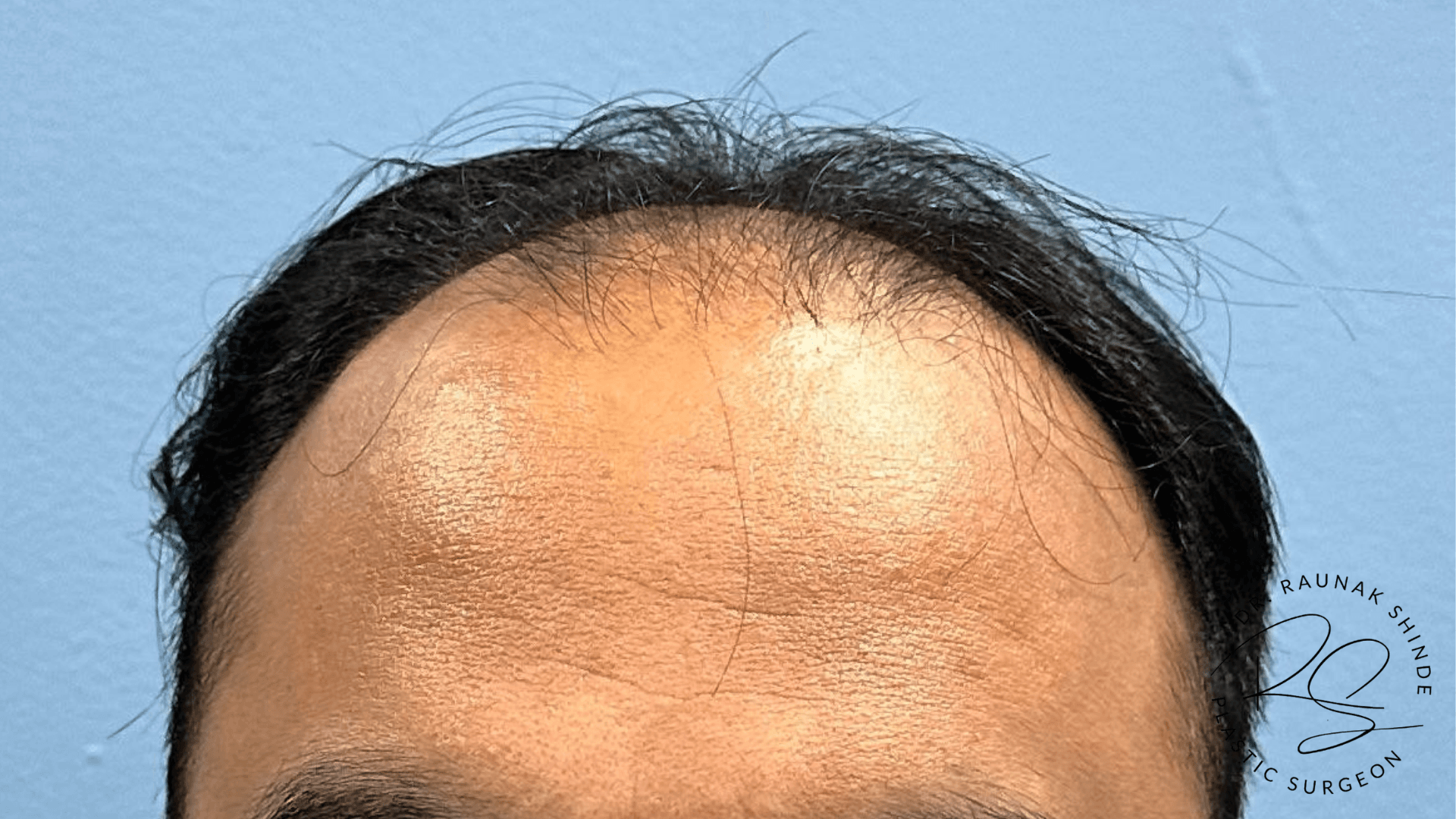
Understanding Hair Loss & Treatment Options
- Hair Loss (Alopecia) affects millions of people worldwide and can significantly impact self-confidence and quality of life. At Roop Clinique, we offer a comprehensive range of both non-surgical and surgical hair restoration treatments tailored to your specific hair loss pattern, cause, and goals. Common causes of hair loss include androgenetic alopecia (male/female pattern baldness - the most common cause affecting 50% of men by age 50), nutritional deficiencies (iron, vitamin D, biotin, zinc), hormonal imbalances (thyroid disorders, PCOS), stress (telogen effluvium), autoimmune conditions (alopecia areata), medications, and lifestyle factors (smoking, poor diet, lack of sleep).
- Treatment Approach: Not all hair loss requires surgery. At Roop Clinique, we believe in a step-wise approach - starting with non-surgical treatments for early to moderate hair loss, and recommending surgical options (hair transplant) for more advanced cases or when non-surgical methods are insufficient. Many patients benefit from combination therapy using multiple treatment modalities for optimal results. Early intervention is key - the sooner you start treatment, the better the outcomes. Our specialists will perform a thorough evaluation including trichoscopy (scalp microscopy), blood tests if needed, and detailed history to determine the underlying cause and recommend the most appropriate treatment plan.
- Non-Surgical Treatments: These are ideal for early hair loss, maintenance after hair transplant, or patients who prefer non-invasive options. Options include Medical Management (FDA-approved medications), PRP (Platelet-Rich Plasma), GFC (Growth Factor Concentrate), SVF (Stromal Vascular Fraction), and Microneedling. Surgical Treatment: Hair Transplant (FUE/FUT) remains the gold standard for definitive restoration in advanced hair loss cases.
Non-Surgical Hair Loss Treatments
Medical Management: FDA-approved medications form the foundation of hair loss treatment. Minoxidil (Topical) - Available in 2% and 5% solutions/foams, applied directly to the scalp. Works by increasing blood flow to hair follicles and prolonging the growth phase (anagen). Results visible in 3-6 months with continued use required to maintain benefits. Finasteride (Oral) - 1mg daily tablet for men only. Blocks DHT (dihydrotestosterone), the hormone responsible for male pattern baldness. Reduces hair loss and promotes regrowth in 80-90% of men. Not recommended for women of childbearing age. Other Medications include Dutasteride (stronger DHT blocker), Spironolactone (for women with hormonal hair loss), and nutritional supplements (biotin, iron, vitamin D, zinc) when deficiencies are identified.
PRP (Platelet-Rich Plasma) Therapy: PRP is a regenerative treatment using your own blood. Blood is drawn, processed to concentrate platelets (which contain growth factors), and injected into the scalp. How it works: Growth factors stimulate dormant hair follicles, improve blood supply to follicles, prolong the hair growth phase, and reduce hair miniaturization. Protocol: Typically 3-4 sessions spaced 4-6 weeks apart, followed by maintenance sessions every 6-12 months. Results visible in 3-6 months. Best for: Early to moderate hair thinning, androgenetic alopecia, alopecia areata, and post-transplant maintenance.
GFC (Growth Factor Concentrate): GFC is an advanced evolution of PRP therapy. Unlike PRP, GFC uses a specialized kit to extract a higher concentration of growth factors without platelets or red/white blood cells - resulting in a purer, more potent preparation. Advantages over PRP: Higher growth factor concentration, reduced inflammation (no cellular components), more consistent results, and less discomfort. Protocol: 3-4 sessions at 3-4 week intervals. Can be combined with microneedling for enhanced penetration. Ideal for patients who want enhanced results compared to traditional PRP.
SVF (Stromal Vascular Fraction) Therapy: SVF is a cutting-edge regenerative treatment derived from your own adipose (fat) tissue. Fat is harvested via mini-liposuction, processed to extract the stromal vascular fraction containing adipose-derived stem cells (ADSCs), growth factors, and regenerative cells, then injected into the scalp. Benefits: Stem cells can differentiate into hair follicle cells, provides long-lasting regeneration, single session may be sufficient for many patients. Best for: Moderate to severe hair loss, patients who haven't responded well to PRP, and as an adjunct to hair transplant.
Key Details
Microneedling for Hair Loss
Microneedling (Dermaroller/Dermapen): Microneedling creates controlled micro-injuries in the scalp using fine needles (0.5-1.5mm depth). This triggers the body's wound healing response, releasing growth factors and stimulating collagen production. Mechanism: Activates stem cells in hair follicles, increases blood supply to the scalp, enhances absorption of topical treatments (minoxidil, growth factors), and stimulates dormant follicles. Studies show microneedling combined with minoxidil is more effective than minoxidil alone.
Protocol at Roop Clinique: Sessions performed every 2-4 weeks. Often combined with PRP or topical growth factors for synergistic effects. Minimal downtime - mild redness for 24-48 hours. Can be done as an in-office procedure or with at-home dermarollers (smaller needles) for maintenance. Best for: Early hair loss, enhancing results of other treatments, and patients seeking non-invasive options.
Surgical Treatment - Hair Transplant
Hair Transplant remains the gold standard for definitive hair restoration in advanced hair loss. At Roop Clinique, we offer both FUE and FUT techniques performed by experienced surgeons. FUE (Follicular Unit Extraction): Individual hair follicles are extracted from the donor area (back/sides of scalp) using a micro-punch and transplanted to balding areas. Benefits include no linear scar, faster recovery, ability to use beard/body hair as donors, and suitable for shorter hairstyles. FUT (Follicular Unit Transplantation): A strip of scalp is removed from the donor area, follicles are separated under microscopy, and transplanted. Benefits include higher graft yield in single session and grafts from "safe zone" considered very long-lasting.
Candidacy for Hair Transplant: Ideal candidates have stable hair loss pattern, sufficient donor hair density, realistic expectations, and are generally over 25 years old (to assess final hair loss pattern). Hair transplant is NOT suitable for everyone - patients with very limited donor hair, active scalp conditions, or unrealistic expectations may not be good candidates. Expected Results: 85-90% graft survival rate with experienced surgeons. Hair starts growing at 4 months, maximum density at 12-18 months. Results are definitive as transplanted hair is resistant to DHT. Up to 3000 grafts can be safely transplanted in one session.
Combination Therapy & Treatment Protocol
Why Combination Therapy? At Roop Clinique, we often recommend combining multiple treatments for optimal results. For example: Early Hair Loss: Medical management (minoxidil + finasteride) + PRP/GFC + microneedling. Moderate Hair Loss: All of the above + consider hair transplant for density. Post-Transplant: PRP/GFC for maintenance, medical management to prevent further loss in non-transplanted areas. Female Pattern Hair Loss: Minoxidil + PRP/GFC + microneedling (finasteride not recommended for women of childbearing age).
Treatment Timeline: Most non-surgical treatments require 3-6 months to show visible results. Patience and consistency are key. Regular follow-ups at Roop Clinique help track progress and adjust treatment plans. Maintenance is essential - hair loss is progressive, and ongoing treatment helps maintain results. For hair transplant, final results are visible at 12-18 months, with transplanted hair lasting a lifetime.
Why Choose Roop Clinique for Hair Loss Treatment
Roop Clinique stands out as a premier destination for comprehensive hair loss treatment offering both non-surgical and surgical solutions under one roof. Our clinic features experienced hair restoration specialists who bring years of expertise in trichology and hair transplant surgery. We utilize advanced technologies including PRP systems, GFC kits, microneedling devices, and state-of-the-art FUE instruments.
Our approach centers on accurate diagnosis first - understanding the cause of your hair loss before recommending treatment. We believe in evidence-based medicine, using only treatments with proven efficacy.
Frequently Asked Questions
1. When should I start treatment for hair loss?
2. What is the difference between PRP and GFC?
3. Is hair transplant definitive?
4. How many PRP/GFC sessions are needed?
5. Can women undergo hair transplant?
6. Are there any side effects of minoxidil and finasteride?
7. What is the success rate of hair transplant?
8. Can I combine multiple treatments?
Source: Indian Association Of Aesthetic Plastic Surgeons